1. Walk the grounds
For outdoor spaces, the crew walks fence lines, planters, corners and bushes where needles collect.
Boring, OR · Clackamas County
Clearing out a relative's home or a storage unit in Boring and found syringes? Call (877) 812-4220. A cleanup team can search every drawer, remove the sharps and disinfect the area.
If anyone is in danger, call 911 first. For a suicide crisis, call or text 988.
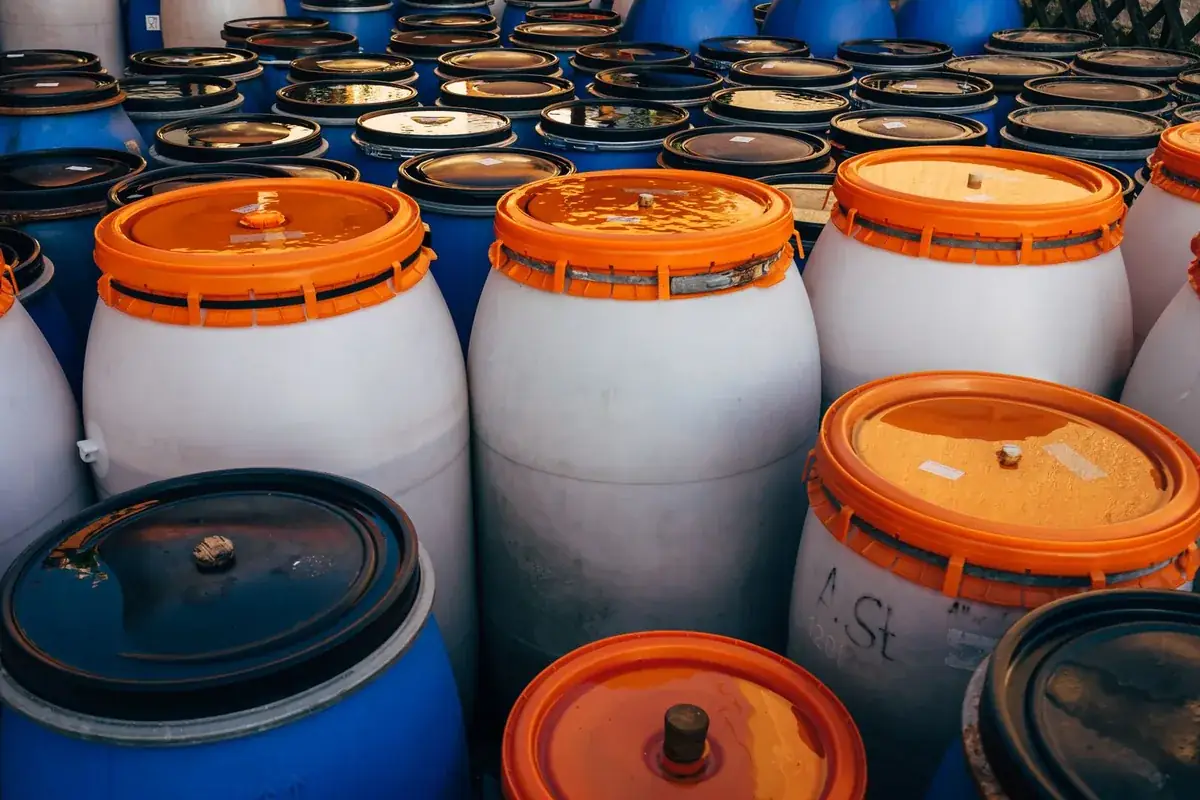
Needle and syringe pickup is a form of biohazard cleanup aimed at sharps. Protective equipment, special containers and proper disposal are part of every job.
If your Boring property has needles, syringes or other sharps, you can call Boring Biohazard Cleanup Help and get them searched for, collected and disposed of anywhere in Clackamas County. Crews wear protective gear and use tools designed to keep hands away from points.
The vacancy rate in Clackamas County is only about 6%, so most needle calls come from occupied homes, rentals, yards and businesses. A stick, cut or splash should be checked by a doctor without delay. Legacy Mount Hood Medical Center in Gresham serves people in and around Boring.
The work often covers:
For outdoor spaces, the crew walks fence lines, planters, corners and bushes where needles collect.
The team moves in a set pattern so no section is skipped, since a single missed needle is still a hazard.
Containers are sealed, loaded and taken away. They leave the property as one load.
Hard surfaces are cleaned with EPA-registered products. Soaked fabrics may be removed and bagged.
The cost of needle & sharps cleanup in Boring, OR depends on the amount of material, how it is packed and how it is hauled.
The number of sharps matters because each needle must be found, lifted and sealed, and large amounts mean more containers and more disposal.
| Type of job | Typical range |
|---|
Estimates only, not a quote. Sources: . Price drivers include number of items, where they are found, whether a sweep of a large area is needed, waste disposal. Call (877) 812-4220 to talk through the job.
Loose needles should not go in household trash, because they can stab sanitation workers. Rules for small amounts of household sharps vary by city and county. The local health department can say what is allowed, and a cleanup team can take larger amounts.
Lease terms and local law decide. A landlord, an attorney or a tenant rights group can say who is responsible. In many cases the property owner books the sweep first so the unit can be used again, and the cost is sorted out afterward.
Stay back and keep children and pets away. Do not pick it up. Note where it is and call the local health department or a cleanup team. If anyone is stuck or cut, wash with soap and water, get medical care, and call 911 in an emergency.
Safer options exist. Many cities and health departments have programs for found needles and may give instructions or send someone. If you are unsure, do not touch it. Leaving a needle in place and keeping others away is safer than risking a stick.
They can be tucked into couch cushions, mattress seams, drawers, vents and ceiling tiles. That is why a sharps sweep covers more than the floor. Crews check hidden spots with tools and light before declaring a room clear.
Yes. Insulin pen needles, lancets and similar small devices are sharps, even though they are used for health care. They should go into a rigid container, never loose into trash.
One call can start a sweep for a yard, a rental or a whole building.
Call (877) 812-4220